
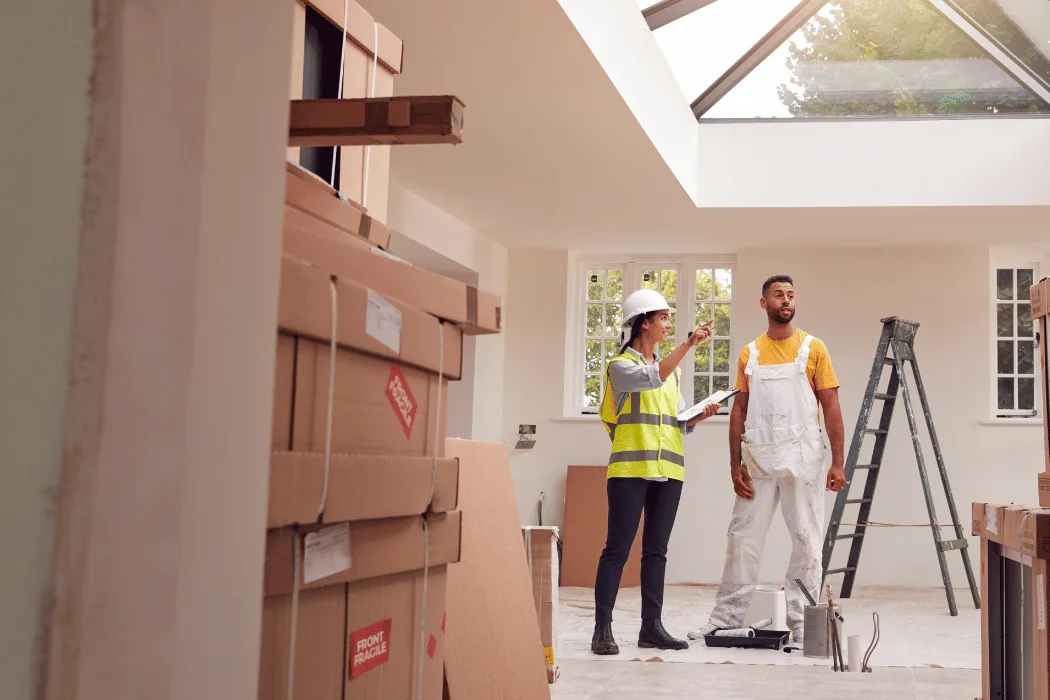

Improving a property is not just about making it visually appealing; it is about enhancing its functionality, efficiency, and long-term value. Whether you are a homeowner looking to upgrade your living space or preparing a property for better returns, a strategic approach to improvement can deliver meaningful results. Instead of focusing only on large-scale renovations, practical and well-planned upgrades can significantly improve usability and overall performance without unnecessary complexity.
Understand Your Property Goals
The first step in any property improvement plan is to clearly define your goals. Every property serves a purpose, and improvements should align with that purpose. Some homeowners aim to create a more comfortable living environment, while others focus on increasing market value or improving efficiency.
Understanding your objectives helps you prioritize the right upgrades. For example, if your goal is better functionality, focus on layout, storage, and usability. If your goal is value enhancement, consider improvements that appeal to a wider audience. Clear goals ensure that your efforts remain focused and effective.
Optimize Space Utilization
One of the most practical ways to improve a property is by optimizing how space is used. Efficient space utilization can make even smaller areas feel larger and more functional. This does not require structural changes in most cases but involves better planning and organization.
Rearranging furniture, removing unnecessary items, and introducing multi-purpose solutions can significantly improve flow and usability. Open layouts, where possible, create a sense of spaciousness and improve movement within the property. Smart storage solutions, such as built-in cabinets or vertical storage, help reduce clutter and enhance organization.
Upgrade Lighting for Better Functionality
Lighting plays a critical role in how a property looks and functions. Poor lighting can make spaces feel smaller and less inviting, while well-planned lighting improves both aesthetics and usability.
Incorporating layered lighting is an effective strategy. This includes ambient lighting for overall illumination, task lighting for specific activities, and accent lighting to highlight key features. Maximizing natural light is equally important, as it creates a brighter and more welcoming environment.
Energy-efficient lighting solutions not only reduce electricity costs but also contribute to sustainability. Upgrading lighting is a simple yet impactful improvement that enhances the overall quality of a property.
Focus on Durable and Quality Materials
Material selection is a key factor in property improvement. Choosing durable and high-quality materials ensures long-term performance and reduces maintenance needs. While lower-cost options may seem attractive initially, they often lead to higher expenses over time due to repairs and replacements.
When selecting materials, consider their suitability for specific areas. For example, moisture-resistant materials are ideal for bathrooms and kitchens, while durable flooring is essential for high-traffic areas. Investing in quality materials enhances both functionality and value, making it a practical long-term decision.
Improve Functional Layout
A well-designed layout improves how a property is used on a daily basis. Even minor adjustments to the layout can significantly enhance comfort and efficiency. The goal is to create a flow that supports daily activities while maximizing available space.
In areas such as kitchens and living rooms, focus on accessibility and ease of movement. Avoid overcrowding spaces and ensure that furniture placement allows for comfortable navigation. Functional layouts not only improve usability but also make the property more appealing to others.
Upgrade Fixtures and Finishes
Small upgrades can have a significant impact on the overall appearance and functionality of a property. Replacing outdated fixtures such as faucets, handles, lighting fittings, and door hardware can instantly refresh a space.
Modern finishes provide a cleaner and more updated look while improving usability. These changes are relatively cost-effective and can be completed quickly, making them an efficient way to enhance property value without major renovations.
Consistency in design elements also plays an important role. Coordinated finishes create a cohesive appearance that enhances the overall aesthetic of the property.
Enhance Storage Solutions
Storage is one of the most important aspects of a functional property. Insufficient storage leads to clutter, which reduces both usability and visual appeal. Improving storage solutions can significantly enhance how a property is used.
Built-in storage options, such as cabinets and shelves, help maximize available space. Multi-functional furniture with hidden storage is another practical solution, especially in smaller properties. Organized storage systems make it easier to maintain a clean and efficient environment.
Well-designed storage not only improves functionality but also adds to the overall value of the property.
Prioritize Maintenance and Repairs
Regular maintenance and timely repairs are essential for preserving property value. Ignoring small issues can lead to larger and more expensive problems over time. Addressing maintenance needs early ensures that the property remains in good condition.
Common areas to focus on include plumbing, electrical systems, roofing, and structural components. Ensuring that these elements are in proper working condition improves safety and reliability. A well-maintained property also creates a positive impression and reflects responsible ownership.
Incorporate Energy-Efficient Improvements
Energy efficiency is an important consideration in modern property improvement. Implementing energy-saving solutions not only reduces utility costs but also enhances long-term sustainability.
Simple upgrades such as energy-efficient appliances, improved insulation, and better windows can significantly improve performance. These changes create a more comfortable living environment while reducing environmental impact.
Energy-efficient properties are also more attractive in the market, as they offer long-term cost savings and improved living conditions.
Improve Exterior Appeal
The exterior of a property plays a crucial role in its overall value and perception. First impressions matter, and improving the exterior can significantly enhance curb appeal.
Simple improvements such as landscaping, cleaning, painting, and maintaining outdoor spaces can create a more inviting appearance. Well-maintained exteriors reflect the overall quality of the property and contribute to its value.
Outdoor functionality should also be considered. Creating usable outdoor spaces, such as seating areas or gardens, adds to the overall usability of the property.

Plan Improvements Strategically
A strategic approach to property improvement ensures that efforts are efficient and results are meaningful. Instead of making random changes, it is important to prioritize improvements based on their impact and importance.
Start with essential upgrades that improve functionality and safety, then move on to aesthetic enhancements. Planning improvements in stages helps manage costs and ensures better execution.
Evaluating the return on investment for each improvement is also important. Focus on changes that provide long-term benefits and contribute to overall property value.
Conclusion
Practical property improvement is about making thoughtful and strategic changes that enhance both functionality and value. By focusing on key areas such as space optimization, material quality, layout efficiency, and energy performance, homeowners can achieve meaningful results without unnecessary complexity.
A well-planned approach ensures that every improvement serves a purpose and contributes to the overall performance of the property. Instead of relying solely on large-scale renovations, practical strategies allow for steady and effective enhancements.
By prioritizing functionality, maintaining quality, and planning improvements carefully, you can create a property that is not only visually appealing but also efficient, comfortable, and valuable in the long term.