
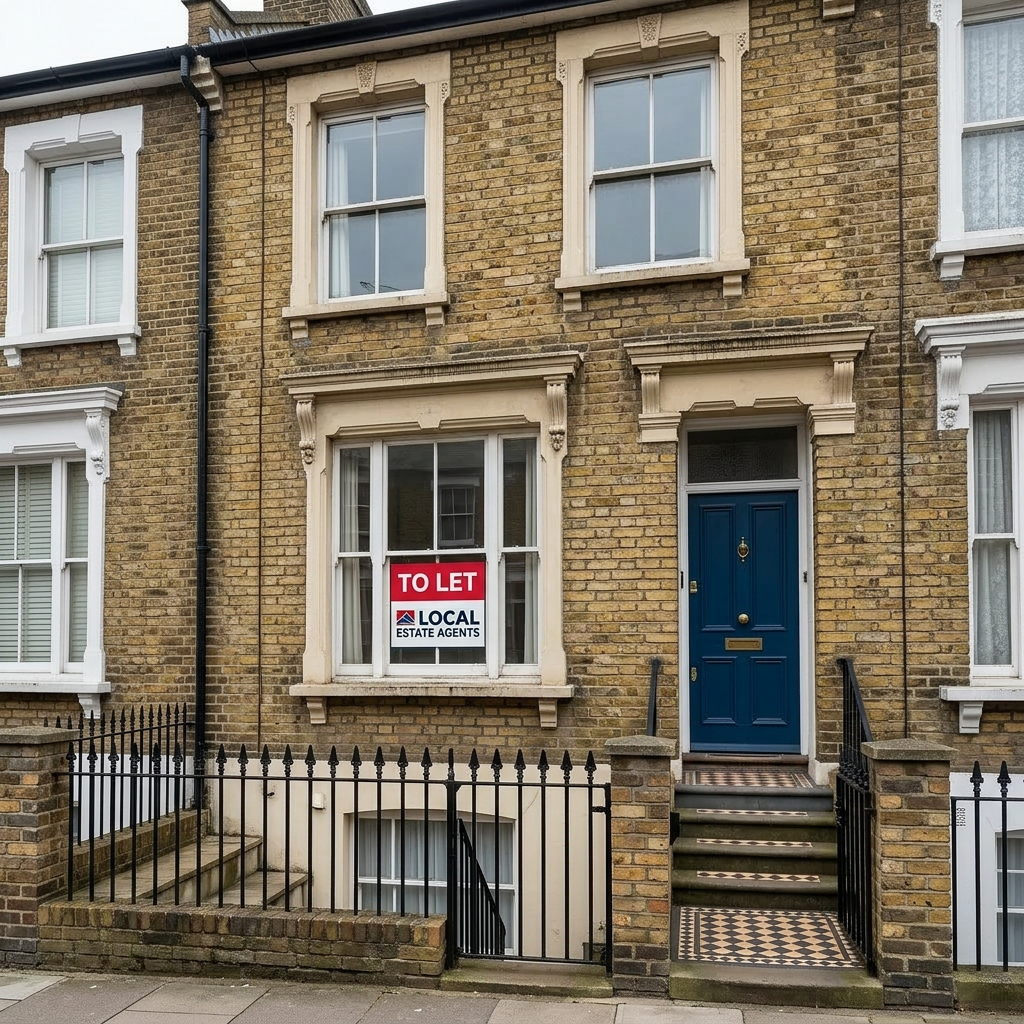

London Living Rent is one of the Mayor of London’s flagship affordable housing products — a scheme specifically designed for middle-income Londoners who earn too much to qualify for social housing but too little to save a deposit for homeownership in the current market. It is not simply discounted renting. It is a structured pathway from renting to ownership, with the below-market rent explicitly intended to create the monthly saving capacity that a deposit requires.
Key Takeaways
- London Living Rent (LLR) is a below-market rent scheme for middle-income Londoners, administered by the Greater London Authority (GLA), with rents set at approximately one-third of average local household incomes in each ward — around 65% of the market average across London.
- The average two-bedroom LLR rent in 2026–27 is approximately £1,409 per month — compared to the average London market rent of £2,168 per month for the same property type, a saving of approximately £759 per month.
- The scheme is explicitly a savings vehicle, not just affordable housing — the difference between the LLR rent and market rent is intended to be saved toward a deposit, with the goal of purchasing the property through Shared Ownership within the tenancy period.
- Tenancies run for between three and ten years — providing stable, secure accommodation at a below-market rent while the tenant builds their deposit.
- The household income cap is £75,000 per year — applicants must live or work in London, must not own property anywhere in the world, and must demonstrate they have the financial capacity to save toward homeownership.
- All LLR properties are capped at £1,750 per month including service charges, and every property must be at least 20% below its assessed market rent.
- Available properties are listed on the Mayor’s Homes for Londoners search tool — funded housing providers are required to advertise LLR properties there, and applications are made through the housing provider rather than through a central GLA application.
What London Living Rent Is — and What It Is Not
London Living Rent is an intermediate housing product. It sits between social rent (reserved for those in housing need, allocated through the local authority waiting list) and full market rent (the private rented sector). It is designed for the group of Londoners — broadly, working households on middle incomes — who fall into the gap between these two options.
The scheme is not simply a discounted version of private renting with no further purpose. The subsidy — the gap between the LLR rent and the market rent — has a specific intended use: to be saved by the tenant each month so that they accumulate a deposit over the course of the tenancy. At the end of the tenancy, the expectation is that the tenant will purchase the property, typically through Shared Ownership.
This is why the eligibility criteria include a financial assessment of the applicant’s ability to save, not just their ability to pay the rent. The scheme is investing public money in an outcome — homeownership — not simply providing cheaper accommodation.
How the Rent Is Calculated
London Living Rent levels are calculated ward by ward across London, updated by the GLA every January, and published as benchmark figures for each neighbourhood. The calculation methodology is:
The two-bedroom benchmark: The GLA calculates one-third of the median annual household income in each ward, then divides by 12 to produce the monthly benchmark for a two-bedroom property.
Bedroom adjustments:
- One-bedroom properties: 10% below the two-bedroom benchmark
- Three-bedroom properties: up to 10% above the two-bedroom benchmark
- Four-bedroom properties: up to 20% above the two-bedroom benchmark
The overall cap: All LLR properties are capped at £1,750 per month including service charges. Every property must also be at least 20% below its individually assessed market rent.
The 2026–27 figures: The average monthly rent for a two-bedroom London Living Rent home to be let in 2026–27 is around £1,409 per month, equivalent to just under two-thirds of the average market rent of £2,168 in December 2025.
Rents vary significantly by borough and ward. Properties in inner London boroughs with higher average incomes will have different benchmark rents from those in outer London boroughs — the ward-level calculation ensures that the discount is calibrated to local affordability, not a London-wide flat figure.
Annual rent increases: For existing tenants, rents increase once per year, in April, by no more than the Consumer Price Index (CPI) inflation rate. This provides predictability and protects tenants from the sharp rent increases that the private rented sector can impose. When a property is re-let to a new tenant, the rent reverts to the applicable LLR benchmark level.
Who Is Eligible
To be eligible for London Living Rent, total household income must be £67,000 or less per year — though the GLA’s own guidance and several providers cite the cap as £75,000 per year. Applicants should confirm the applicable cap with the specific housing provider at the point of application. The scheme targets middle-income households: those earning enough to afford the rent but not enough to save a deposit at market rent levels.
The full eligibility requirements are:
Income: Household income (the combined gross income of all adults who will live in the property) must not exceed the applicable cap.
Residency or employment in London: Applicants must currently live or work in a London borough.
No existing home ownership: Applicants cannot own any property anywhere in the world — in the UK or overseas. This includes investment properties. If an applicant is in the process of selling a property, the sale must be completed before they move into an LLR home.
Current housing situation: Applicants must either have a formal tenancy (for example, in the private rented sector) or live in an informal arrangement with family or friends as a result of struggling with housing costs.
Financial capacity to save: The housing provider will conduct a financial assessment to confirm that the applicant can afford the rent, can save toward homeownership, and does not have excessive debt that would prevent them from accumulating a deposit. This is a substantive assessment — the scheme is designed for people who can realistically achieve homeownership, not simply for anyone who meets the income criteria.
What ineligibility looks like: Applicants who already own property, whose household income exceeds the cap, who do not live or work in London, or who cannot demonstrate the financial capacity to save for homeownership will not meet the eligibility criteria.
The Tenancy Structure
LLR tenancies are structured to provide stability while maintaining the expectation of progression to homeownership:
Tenancy length: Tenancies run for a minimum of three years and can be extended up to ten years in total. This provides meaningful security — significantly more than a standard private rented sector assured shorthold tenancy — while defining a timeframe within which the deposit-saving goal should be achievable.
Break clause: Tenancies typically include a 12-month break clause within the three-year fixed term, allowing the tenant to end the tenancy during the initial period if circumstances change.
Subletting: Subletting is generally permitted following an initial 12-month period, subject to meeting eligibility criteria and obtaining written consent from the housing provider. New household members must complete reference checks.
End of tenancy: If the tenant does not purchase the property at the end of the tenancy period and is unable to exercise any extension, the tenancy ends and the property is returned to the housing provider. In some cases, providers may extend the tenancy on a case-by-case basis, but this is not guaranteed.
Income changes during the tenancy: If the tenant’s household income increases above the cap during the tenancy, this does not automatically affect the tenancy. The income cap applies to new applicants, not existing tenants. However, tenants should inform their property manager if their circumstances change significantly.
The Pathway to Homeownership
The route from LLR tenancy to homeownership is through Shared Ownership — the government-backed scheme that allows buyers to purchase a share of a property (typically 25–75%) and pay rent on the remaining share, with the option to purchase further shares over time (staircasing) until they own the property outright.
LLR tenants typically have the right to purchase their home through Shared Ownership during or at the end of the tenancy period. The specifics depend on the housing provider and the specific property, but the general expectation is:
- The tenant spends three to ten years in the LLR home, saving the difference between the LLR rent and the market rent
- Over this period, a deposit accumulates that is sufficient for a Shared Ownership purchase
- The tenant then purchases their home (or an equivalent Shared Ownership property) through the Shared Ownership scheme
The financial modelling behind this progression assumes that the monthly saving created by the LLR rent discount — approximately £759 per month for a two-bedroom property at the 2026 London averages — is genuinely saved rather than absorbed into other expenditure. The financial assessment at the point of application is intended to confirm that this saving is realistic for the specific household.
How to Find and Apply for LLR Properties
The Homes for Londoners search tool: All housing providers funded by the GLA are required to advertise their LLR properties on the Mayor’s Homes for Londoners property search tool (accessible at the GLA website). This is the primary source of available LLR properties and the first port of call for anyone looking for an LLR home.
Housing providers: LLR homes are managed by registered housing providers — housing associations, local authorities, and some private registered providers. Major LLR providers include L&Q, Guinness Homes, Metropolitan Thames Valley, and many others across London’s boroughs. The application is made directly to the housing provider, not to the GLA.
Priority and allocation: Where multiple eligible applicants apply for the same property, housing providers determine priority using a local intermediate waiting list (if one exists), borough priority groups, or — as a last resort — on a first-come, first-served basis. Local authorities can introduce additional prioritisation criteria for the first three months of marketing; if the property has not been let after this period, it must be advertised to all eligible London-wide applicants.
The application process: Applicants will need to provide:
- Proof of identity
- Proof of London address or employment
- Proof of income (payslips, tax returns for self-employed applicants)
- Proof of current housing situation
- Bank statements demonstrating financial capacity
- Evidence of savings (the provider requires proof of at least one month’s advance rent and five weeks’ deposit)
The housing provider will conduct an affordability assessment covering the ability to pay rent, save for homeownership, and obtain a mortgage in due course.
LLR Compared to Other Affordable Housing Options
Shared Ownership: Shared Ownership requires a deposit and a mortgage from the outset — it is for buyers who are already close to purchase readiness. LLR is a step before Shared Ownership, providing the stable, affordable rental period that allows deposit-building to occur.
Help to Buy (now closed): The Help to Buy equity loan scheme closed to new applicants in England in March 2023. LLR is a current, active scheme with ongoing new property delivery.
Affordable Rent: The GLA’s Affordable Rent product is social housing at up to 80% of market rent, allocated by local authorities through the housing register. It is not targeted at middle-income households and is not a pathway-to-ownership product.
Private renting: The market alternative for LLR-eligible households. At an average two-bedroom market rent of £2,168 per month versus £1,409 per month for LLR, the differential of approximately £759 per month represents almost £9,000 per year — the deposit-building advantage that the scheme is specifically designed to provide.
Is London Living Rent Right for You?
The scheme suits Londoners who:
- Have a household income within the eligibility cap
- Are currently renting or in informal housing arrangements that are not sustainable
- Have a realistic aspiration to homeownership and can demonstrate the financial capacity to save toward it
- Can commit to a three-to-ten year tenancy with the intention of purchasing at the end
- Are not currently homeowners and have no equity from a previous property to deploy
It is less suitable for households who:
- Are not actively planning to move toward homeownership — the scheme is not simply cheap rental accommodation, and the tenancy structure reflects this
- Have existing property or significant assets that disqualify them from eligibility
- Are not able to save meaningfully during the tenancy period, making the homeownership goal unrealistic
For eligible households, LLR is one of the most practically useful affordable housing products available in London — a structured, time-limited opportunity to build the financial foundation for homeownership in one of the world’s most expensive housing markets.
This article provides general information about the London Living Rent scheme as at April 2026. Eligibility criteria, rent levels, and scheme details are updated periodically by the GLA. Applicants should verify current details with housing providers and at the GLA’s Homes for Londoners website.